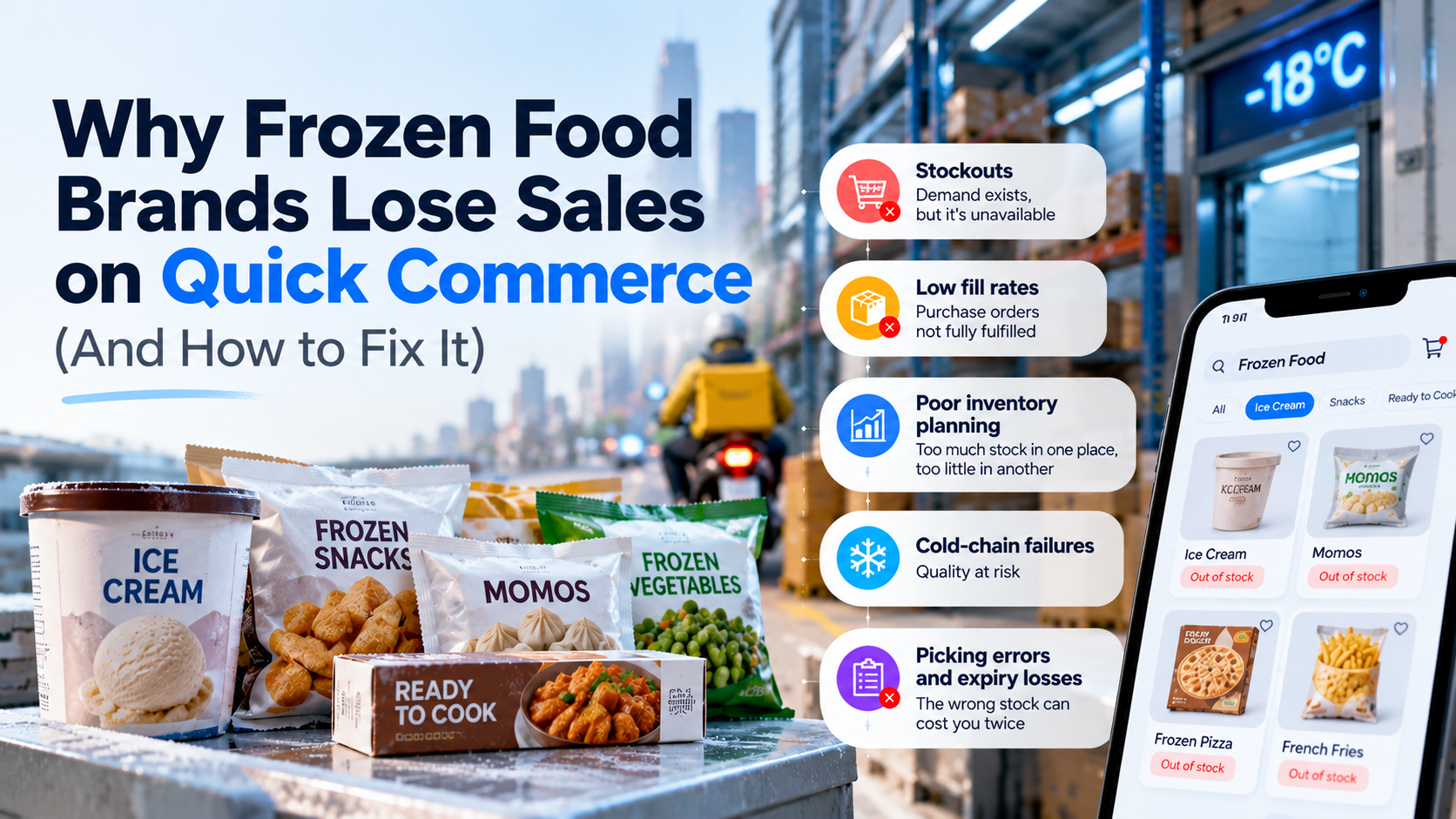
The Ultimate Guide to Food Brand Logistics Services in India
In the fast-paced world of the food industry, logistics plays a pivotal role in ensuring that products reach consumers efficiently and safely. The unique challenges of handling perishable goods make…
Understanding the Importance of Logistics in the Food Industry
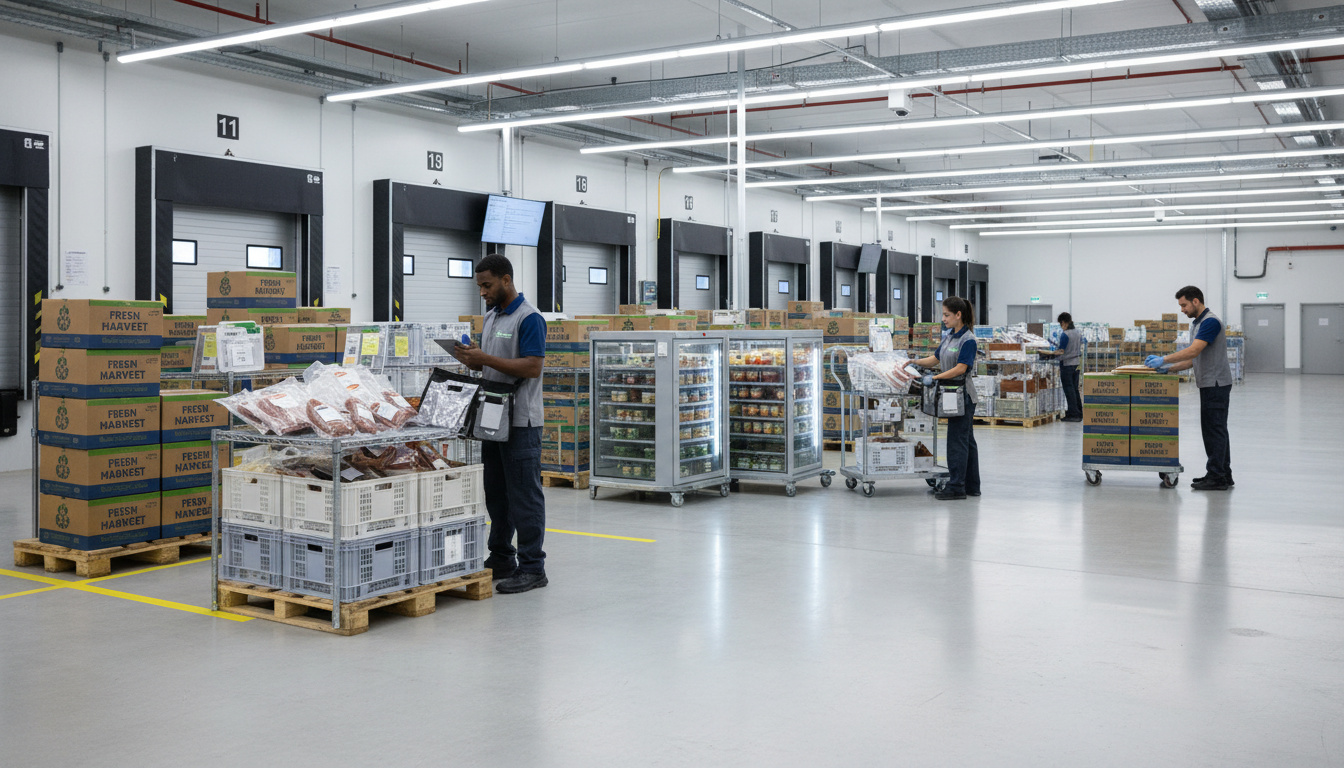
In the fast-paced world of the food industry, logistics plays a pivotal role in ensuring that products reach consumers efficiently and safely. The unique challenges of handling perishable goods make logistics even more critical. Effective logistics services help maintain the quality and integrity of food products from farm to fork, minimizing waste and maximizing customer satisfaction.
Key Components of Food Logistics Services
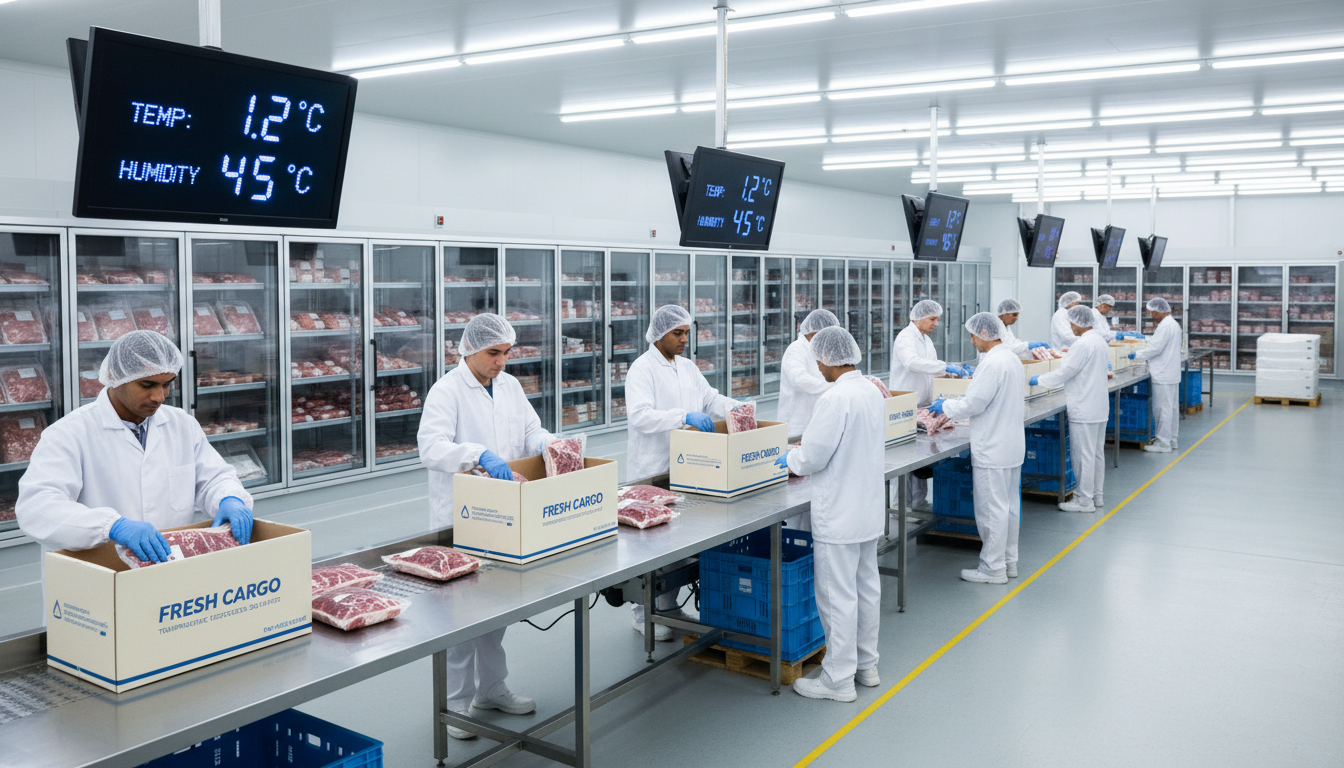
Successful food logistics services encompass several key components, including transportation, warehousing, and inventory management. Each component must be meticulously managed to ensure the timely and safe delivery of food products. Transportation involves selecting the right vehicles and routes to maintain product integrity, while warehousing focuses on optimal storage conditions. Inventory management ensures that stock levels are maintained to meet demand without overproduction.
Transportation Solutions
Transportation is the backbone of food logistics, requiring specialized vehicles equipped with temperature control systems to handle perishable items. Companies must choose between road, rail, air, or sea transport, depending on the distance and urgency. Efficient route planning and real-time tracking are essential to minimize delays and ensure fresh deliveries.
Challenges Faced by Food Logistics in India
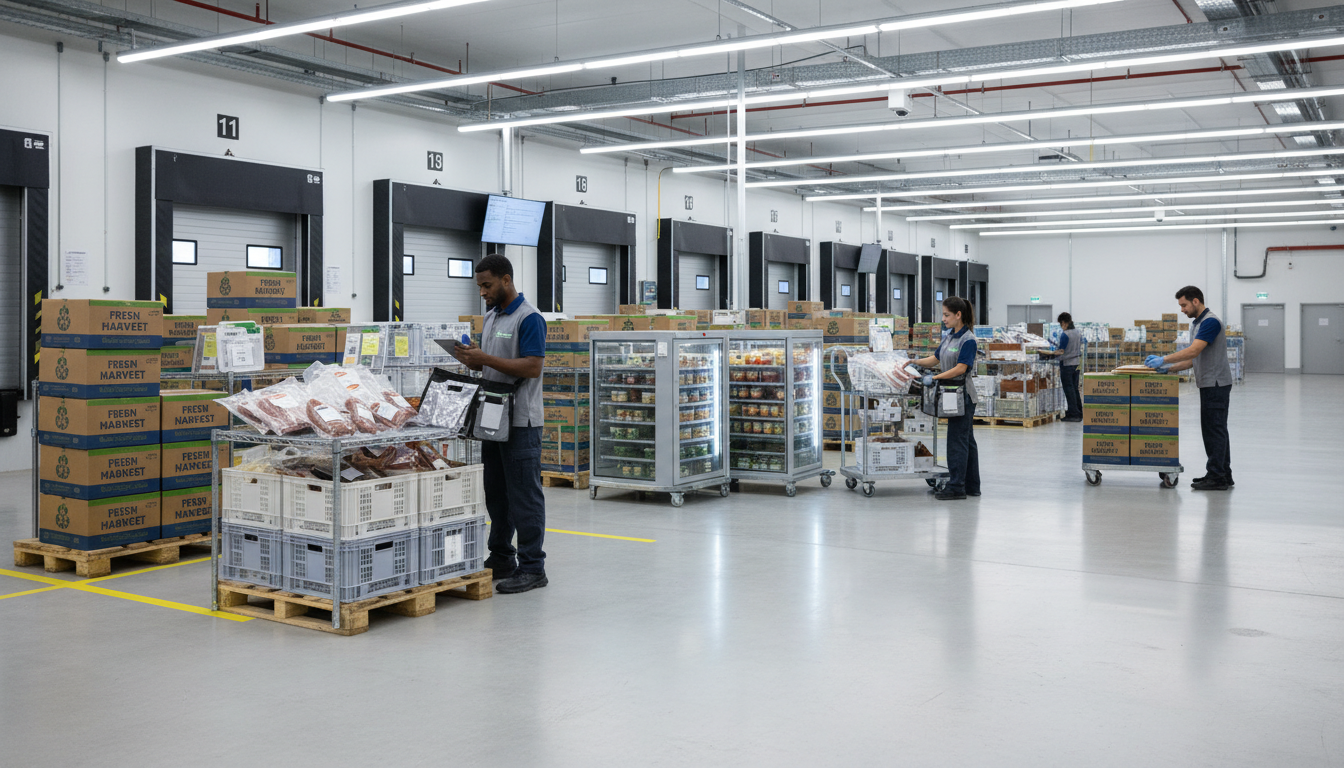
India's diverse geography and climate pose unique challenges for food logistics. Seasonal variations, infrastructure gaps, and regulatory hurdles can impact the efficiency of logistics services. The need for a robust cold chain infrastructure is paramount to handle temperature-sensitive products, especially in remote areas. Additionally, navigating complex regulations requires expertise and adaptability.
Regulatory Compliance
Complying with India's food safety regulations is crucial for logistics providers. This includes adhering to standards set by the Food Safety and Standards Authority of India (FSSAI) and obtaining necessary certifications. Staying updated with regulatory changes ensures that logistics services remain compliant and avoid potential legal issues.

Technological Innovations in Food Logistics
Technological advancements are revolutionizing food logistics in India. The integration of Internet of Things (IoT) devices allows for real-time monitoring of temperature and humidity levels during transportation and storage. Additionally, blockchain technology is being used to enhance traceability and transparency, ensuring that consumers receive safe and authentic food products.
Automation and Robotics
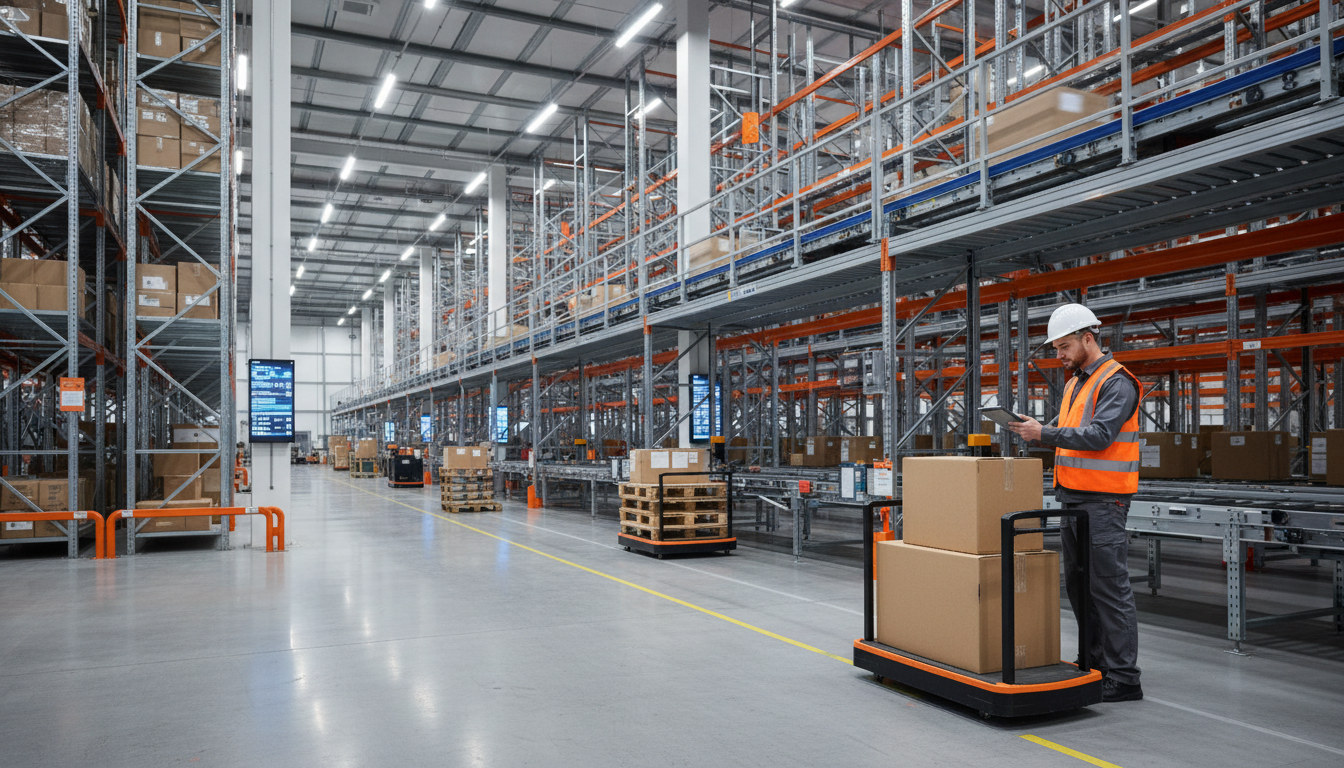
Automation and robotics are increasingly being utilized to streamline operations and improve efficiency. Automated warehouses and robotic picking systems reduce human error and speed up order fulfillment. These technologies help logistics providers handle large volumes of food products while maintaining accuracy and quality.
Choosing the Right Logistics Partner
Selecting the right logistics partner is crucial for food brands aiming to expand their reach and enhance their operations. Considerations include the partner's experience in handling perishable goods, their technological capabilities, and their track record in maintaining compliance. A reliable partner can significantly impact the brand's reputation and customer satisfaction.
In conclusion, food brand logistics services in India are evolving rapidly, driven by technological advancements and a growing focus on quality and safety. By understanding the key components, challenges, and innovations in this sector, food brands can optimize their logistics operations and better serve their customers.