
Supply Chain Optimization Myths: What Food Brands Need to Know


Understanding Supply Chain Optimization
Supply chain optimization is often seen as the ultimate solution for food brands looking to improve efficiency and reduce costs. However, while it's a powerful strategy, misconceptions abound. Understanding these myths is crucial for brands aiming to make informed decisions.
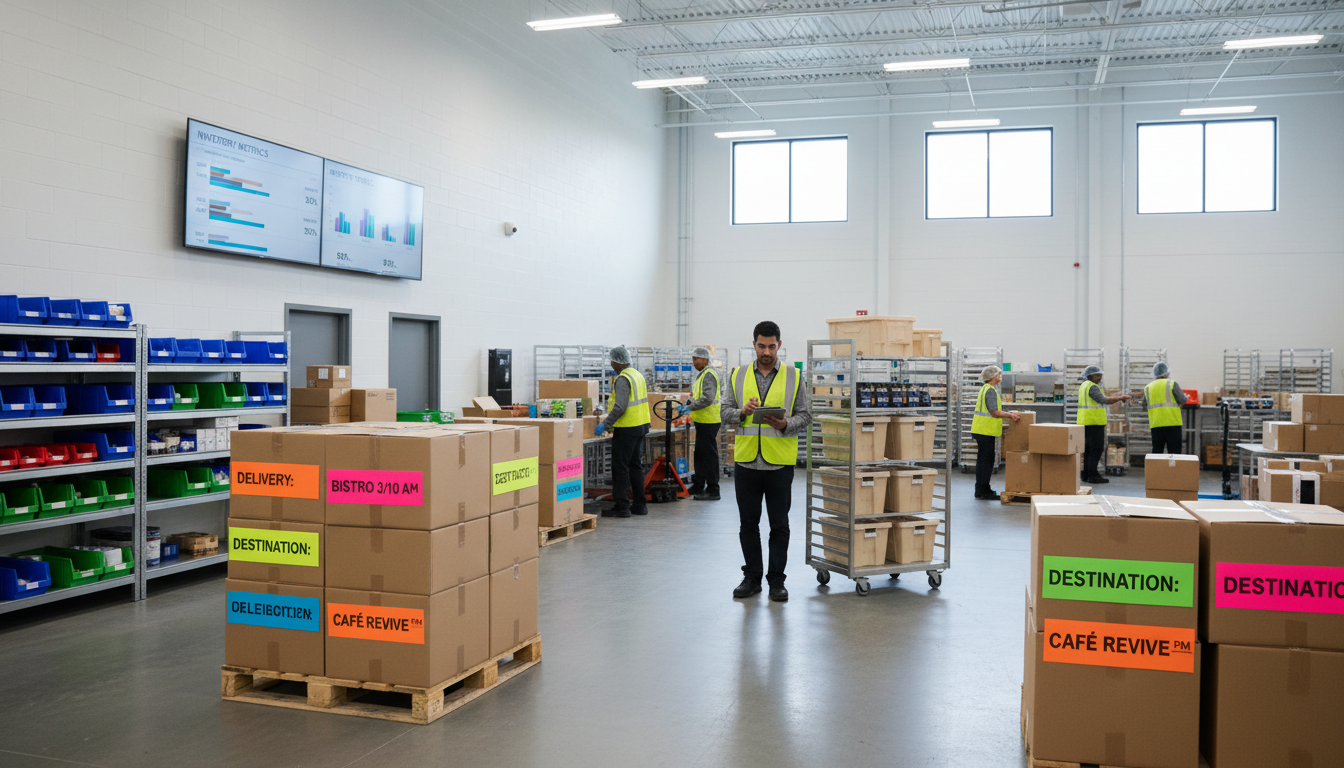
Myth 1: One-Size-Fits-All Solutions Work
A common misconception is that a single solution can suit all supply chain needs. The truth is, every food brand has unique challenges and requirements. Customization is key to truly optimize your supply chain processes. Ignoring this can lead to inefficiencies and increased costs.
Myth 2: Technology Alone Can Solve Problems
While technology plays a significant role in supply chain optimization, relying solely on it can be detrimental. Technology should support strategic planning and human expertise, not replace them. A balanced approach integrates technology with skilled personnel for optimal results.
The Importance of Data in Optimization
Data is often hailed as the backbone of supply chain optimization. However, it’s not just about collecting data—it's about analyzing it effectively. Many companies fall into the trap of gathering vast amounts of data without actionable insights.

Myth 3: More Data Means Better Decisions
Having more data doesn’t necessarily lead to better decisions. It’s crucial to focus on relevant data that directly impacts your supply chain. Effective analysis and interpretation are essential to leverage data for meaningful improvements.
Myth 4: Cost Reduction is the Only Goal
Another misconception is that supply chain optimization is solely about cutting costs. While cost reduction is important, enhancing customer satisfaction, improving product quality, and ensuring sustainability are equally vital. A holistic approach considers all these factors.
Navigating the Complexities
Supply chain optimization is complex, but navigating its intricacies can lead to significant benefits. Recognizing the myths and understanding the realities helps food brands make informed decisions that align with their specific goals.
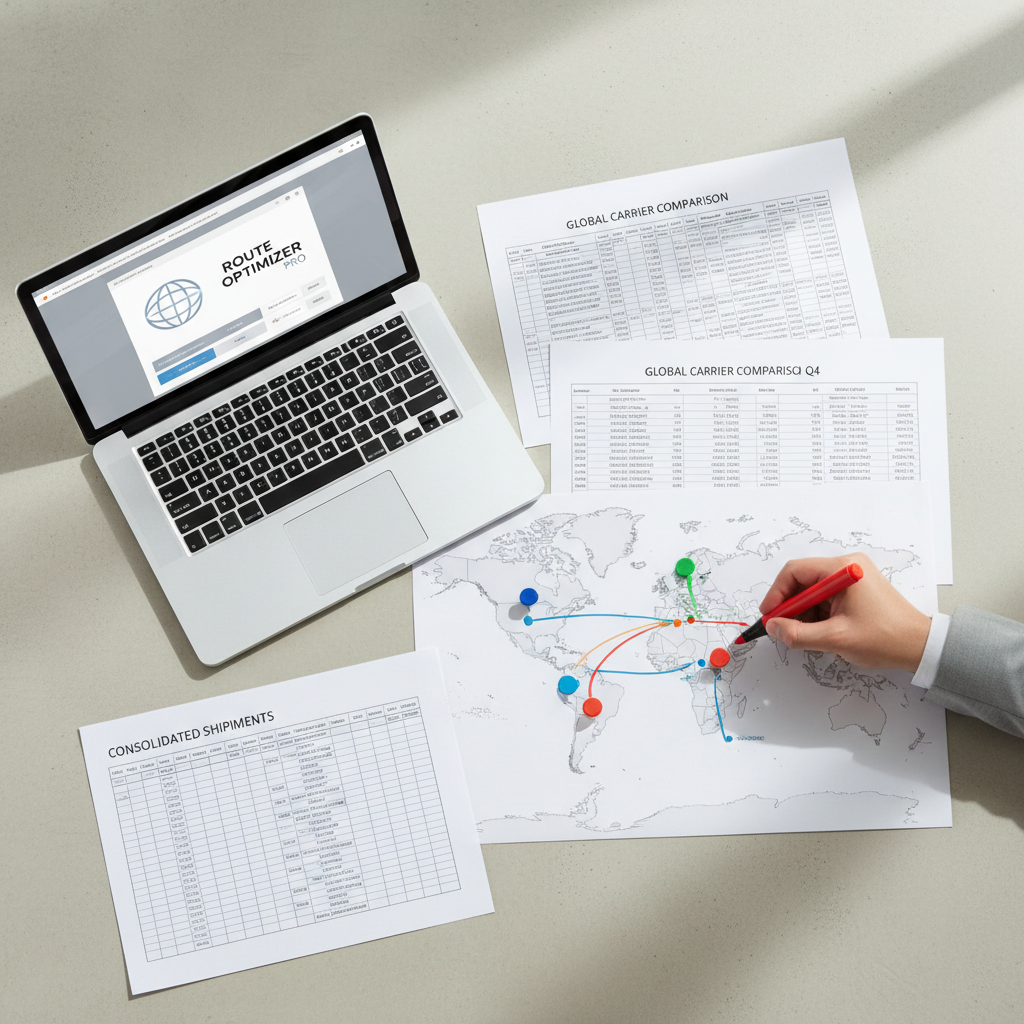
Myth 5: Immediate Results are Guaranteed
Optimizing a supply chain is a continuous process, not a one-time fix. Expecting instant results can lead to disappointment. It's important to set realistic expectations and understand that meaningful improvements take time and consistent effort.
Concluding Thoughts
Dispelling these myths allows food brands to approach supply chain optimization with a clear, strategic mindset. By embracing customization, integrating technology wisely, focusing on relevant data, and adopting a holistic approach, brands can truly optimize their supply chains for long-term success.