
Navigating Mid-Mile Logistics: Challenges and Solutions
In the world of supply chain management, mid-mile logistics plays a crucial role in ensuring efficient and cost-effective transportation of goods. Unlike the last mile, which focuses on delivering…

Understanding Mid-Mile Logistics
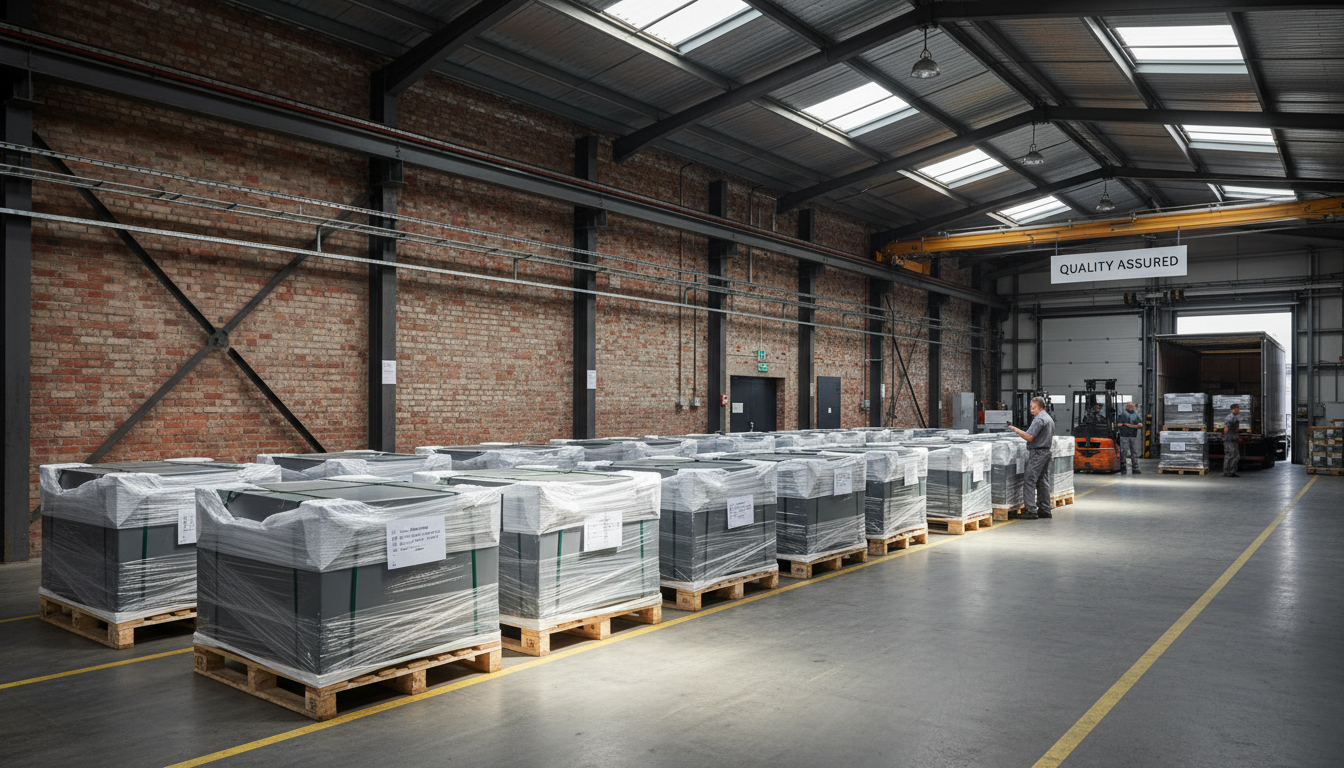
In the world of supply chain management, mid-mile logistics plays a crucial role in ensuring efficient and cost-effective transportation of goods. Unlike the last mile, which focuses on delivering products to the end consumer, mid-mile logistics deals with the movement of goods between distribution centers, warehouses, and retail locations. This phase is essential for maintaining a seamless flow of inventory and optimizing overall logistics operations.
Common Challenges in Mid-Mile Logistics
Complex Route Management
One of the primary challenges in mid-mile logistics is managing complex routes. Unlike last-mile delivery, which often involves direct routes to the consumer, mid-mile logistics requires coordinating multiple stops and managing variables like traffic, weather, and road conditions. Efficient route planning is essential to minimize delays and reduce costs.
Inventory Management
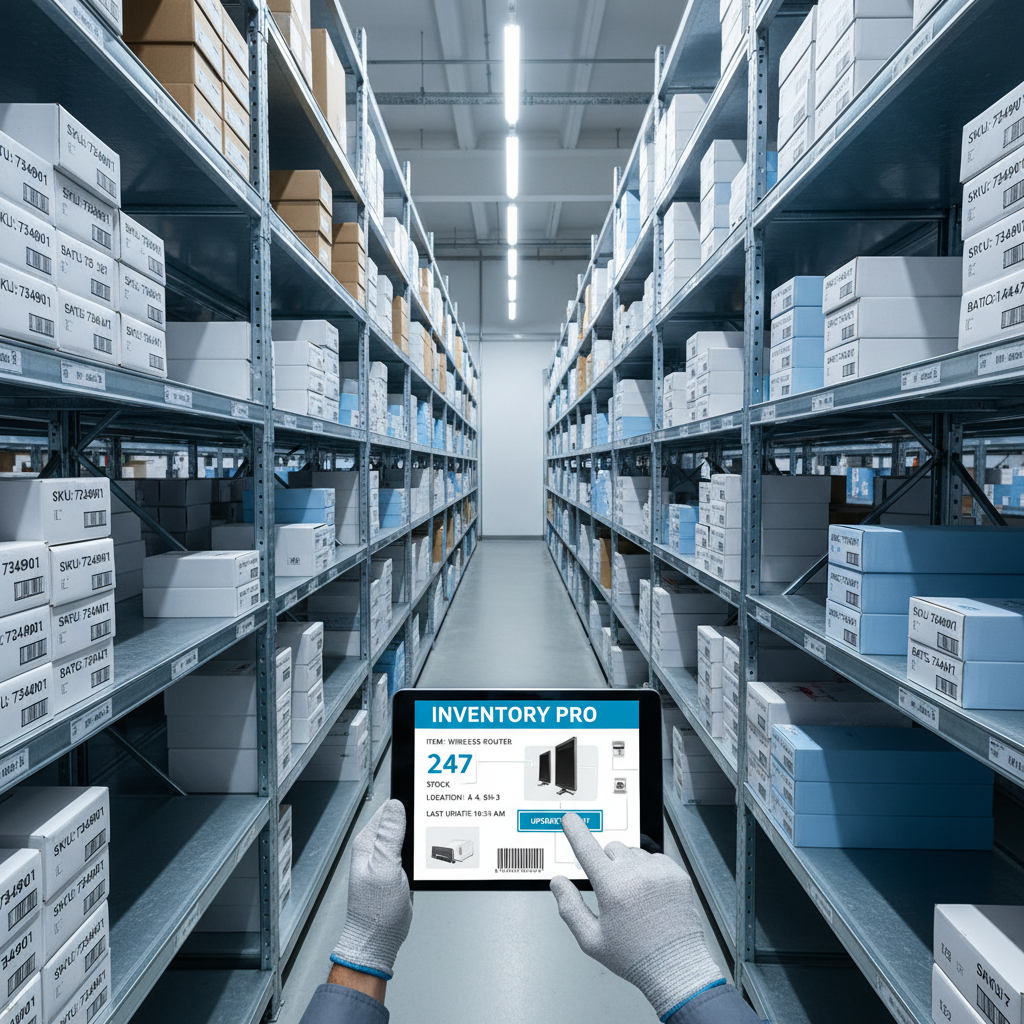
Ensuring the right amount of inventory is available at the right location is another significant challenge. Overestimating demand can lead to excess inventory and increased holding costs, while underestimating can result in stockouts and lost sales. Advanced inventory management systems are critical for balancing these demands effectively.
Solutions for Mid-Mile Logistics
Utilizing Technology
Leveraging technology is a powerful solution for overcoming mid-mile logistics challenges. Tools such as GPS tracking, route optimization software, and real-time inventory systems can greatly enhance efficiency. These technologies enable logistics managers to monitor shipments in real-time, optimize routes, and adjust plans as needed to mitigate disruptions.
Collaborative Partnerships
Building strong partnerships with carriers and third-party logistics providers is another effective strategy. Collaborative relationships can provide access to a broader network, additional resources, and specialized expertise. This collaboration can lead to more flexible and responsive logistics operations.

Implementing Sustainable Practices
Incorporating sustainable practices into mid-mile logistics is becoming increasingly important. Companies are exploring eco-friendly transportation options, optimizing packaging to reduce waste, and implementing energy-efficient technologies. These efforts not only contribute to environmental responsibility but can also result in cost savings and improved brand reputation.
Data-Driven Decision Making
Data analytics plays a pivotal role in mid-mile logistics. By analyzing historical data and trends, companies can make informed decisions regarding inventory levels, transportation routes, and supplier relationships. Predictive analytics can further enhance decision-making by forecasting demand and identifying potential disruptions before they occur.

Conclusion
Successfully navigating mid-mile logistics requires a combination of strategic planning, technology integration, and strong partnerships. By addressing challenges such as route management and inventory control, and leveraging solutions like technology and collaboration, companies can optimize their logistics operations. As the industry continues to evolve, staying adaptable and forward-thinking will be key to maintaining a competitive edge.