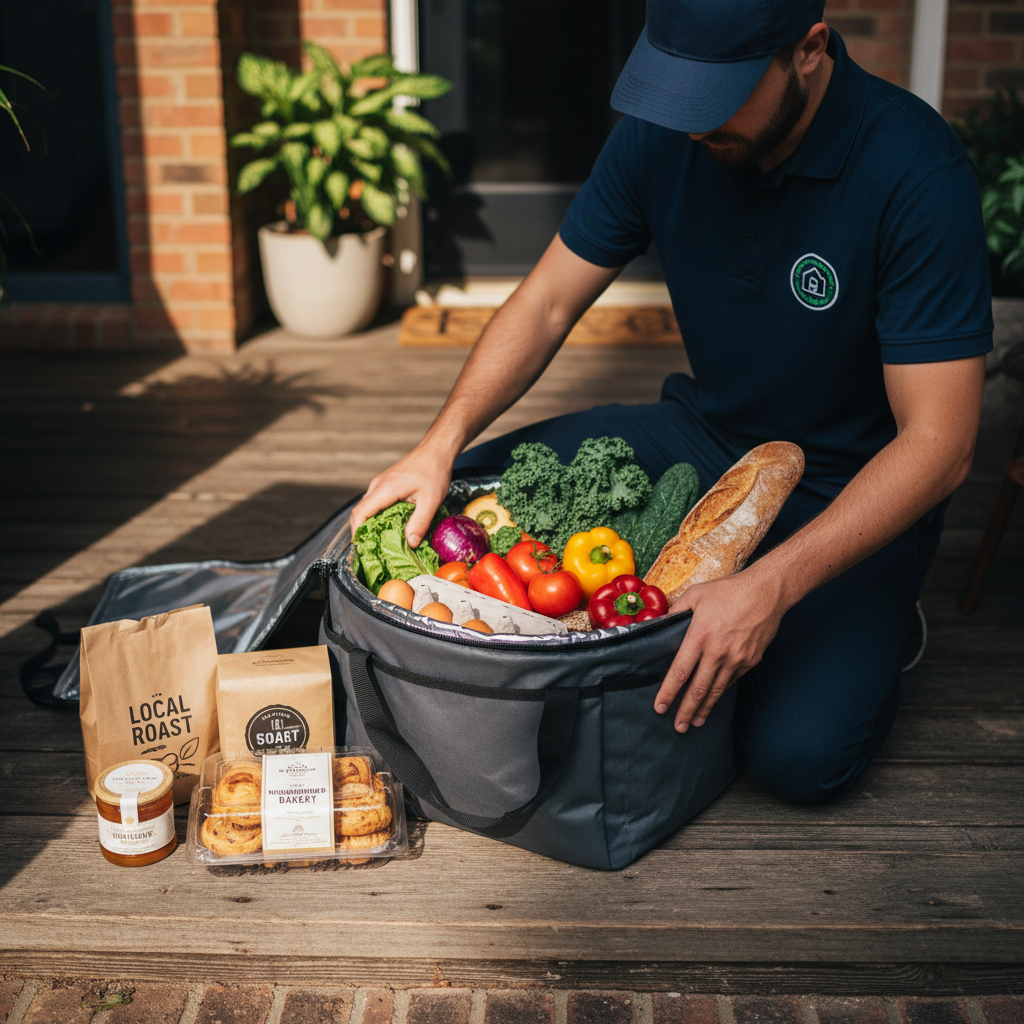
Emerging Trends in D2C Fulfillment: Innovations to Watch
The Direct-to-Consumer (D2C) model has transformed the way brands interact with their customers. With its rapid growth, the fulfillment processes have also evolved to meet rising consumer…
Understanding the D2C Fulfillment Landscape
The Direct-to-Consumer (D2C) model has transformed the way brands interact with their customers. With its rapid growth, the fulfillment processes have also evolved to meet rising consumer expectations. Staying ahead of these changes is crucial for brands aiming to succeed in this competitive landscape.
As technology and consumer behaviors continue to evolve, several emerging trends are shaping the future of D2C fulfillment. These innovations not only streamline operations but also enhance the overall customer experience.
Automation and Robotics
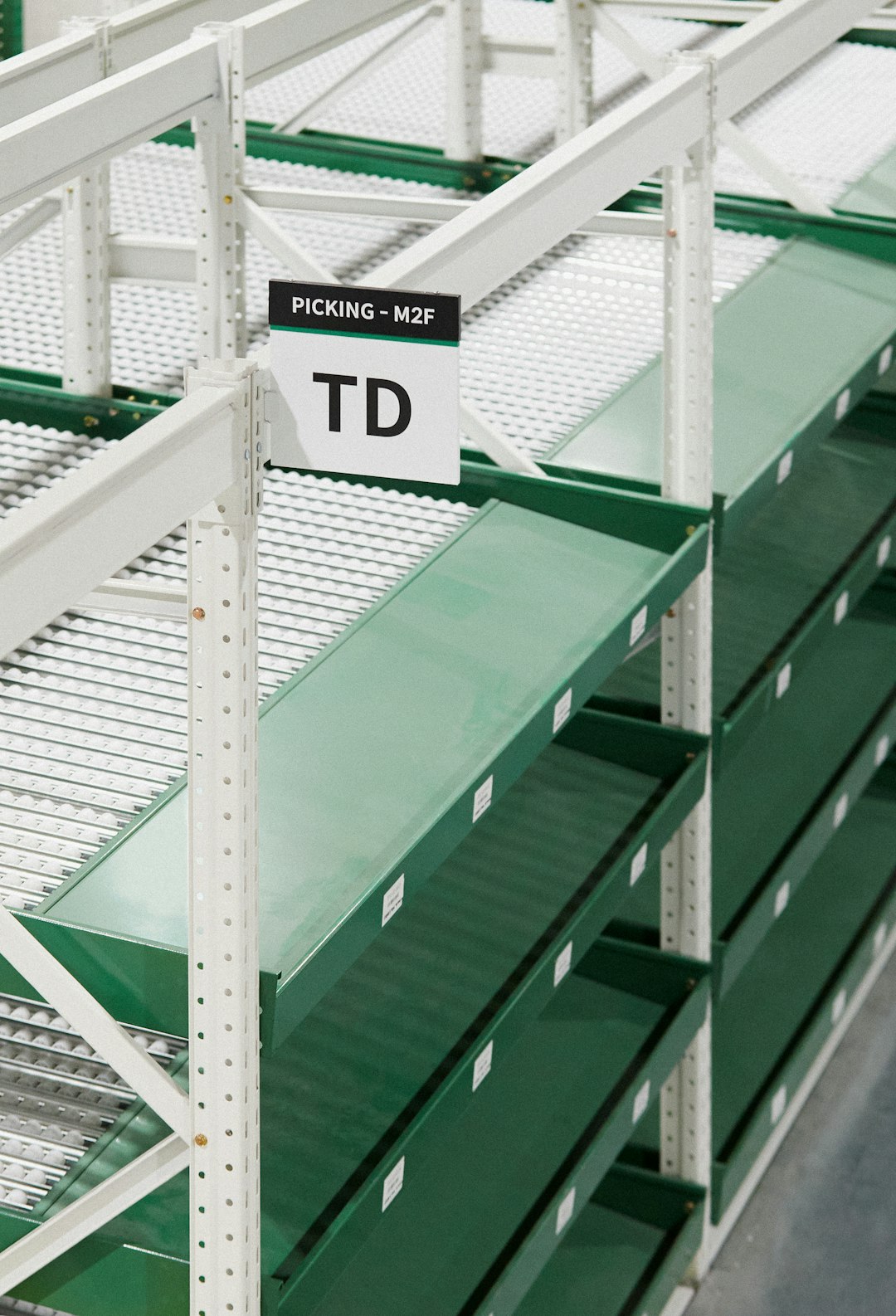
One of the most significant trends in D2C fulfillment is the use of automation and robotics. Automated systems are now being implemented to handle tasks such as sorting, packing, and shipping. This reduces human error and speeds up the delivery process.
Robotic systems, such as automated guided vehicles (AGVs) and robotic arms, are becoming common in warehouses. They work alongside human workers to improve efficiency and accuracy, ensuring that orders are processed quickly and accurately.
Benefits of Automation
- Increased Efficiency: Automation reduces processing times and enhances productivity.
- Cost Savings: Lower labor costs and reduced wastage lead to significant savings.
- Scalability: Easily scale operations without a proportional increase in workforce.
Sustainability in Fulfillment
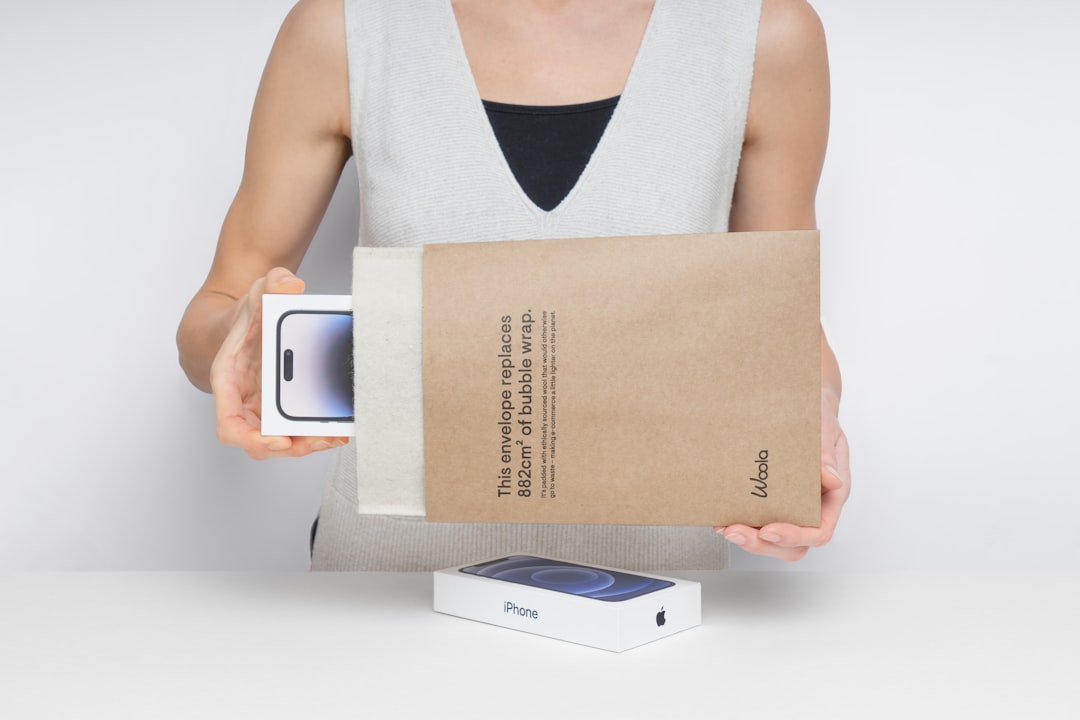
As consumers become more environmentally conscious, sustainability in fulfillment is gaining traction. Brands are adopting eco-friendly packaging solutions and optimizing logistics to reduce their carbon footprint.
Using biodegradable materials and implementing efficient route planning are just a few ways companies are making their operations greener. These efforts not only appeal to eco-conscious consumers but also contribute to a positive brand image.
Implementing Green Practices
- Adopt reusable or recyclable packaging materials.
- Implement carbon-offset programs for shipping.
- Utilize renewable energy sources in fulfillment centers.
Personalization and Customization
Personalization is becoming a cornerstone of D2C fulfillment. Brands are leveraging data analytics and AI to tailor their offerings to individual customer preferences. This includes customized packaging, personalized messages, and curated product recommendations.
Such tailored experiences not only enhance customer satisfaction but also foster brand loyalty. Companies that effectively use personalization are more likely to see repeat purchases and increased customer lifetime value.

Conclusion
Emerging trends in D2C fulfillment are paving the way for more efficient, sustainable, and personalized consumer experiences. By embracing automation, sustainability, and personalization, brands can not only meet current consumer demands but also position themselves for future success.
As these innovations continue to evolve, staying informed and adaptable will be key for businesses striving to thrive in the dynamic world of D2C fulfillment.